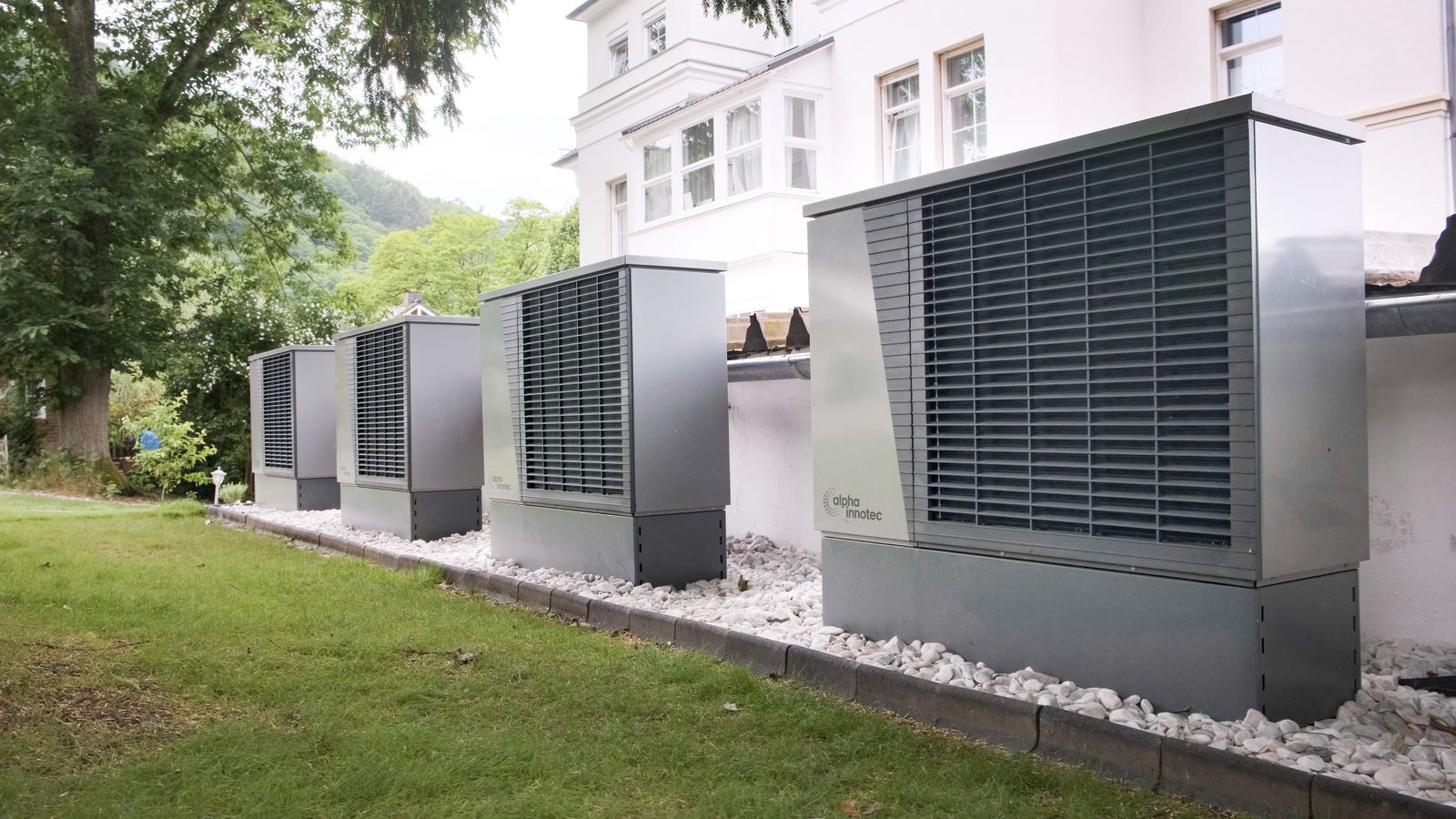
If your gas hot water system is more than ten years old, it’s worth reading this before it fails. Heat pumps are now the default replacement in Victoria, and from 1 March 2027 they (or another efficient electric system) are effectively the only option when a gas unit reaches the end of its life.
How a heat pump heats water
A heat pump works like a fridge in reverse. A fan draws outside air across a coil containing refrigerant. The refrigerant absorbs heat from the air, a compressor raises its temperature, and that heat is passed into the water in the tank. Because it’s moving heat rather than creating it, a good unit puts three to four units of heat into the water for every unit of electricity it uses.
Compare that with an old electric element tank, which turns one unit of electricity into one unit of heat, and you can see why the running costs are so different.
Integrated or split?
There are two main layouts:
- Integrated: the heat pump sits on top of the tank in one unit. Simpler to install and usually cheaper. Most common in Melbourne homes.
- Split: the heat pump is a separate outdoor unit connected to the tank by pipes. Handy if you’re short on space or want the noisy part further from a bedroom window.
Sizing
Tanks are sized by litres. As a rough guide, a 160 to 220 litre tank suits one to three people and 250 to 315 litres suits a family of four or five. If you plan to run the heat pump only during solar hours, go a size up so the tank carries you through the evening and the next morning’s showers.
Noise and placement
Heat pumps make a fan-and-compressor hum, often quoted at around 40 to 50 decibels. That’s quiet in the daytime but noticeable at night if the unit sits under a bedroom window or next to a neighbour’s. Two easy fixes: put it where your old gas unit was only if that spot isn’t next to a bedroom, and set a timer so it heats during the day.
They also need airflow. A cramped spot between a fence and the house can drop efficiency, so leave the clearances the manual asks for.
Cold mornings
Older heat pumps struggled in frosty weather. Most current models using CO2 or R290 refrigerant keep working well below freezing, and many have a backup element for the rare day they can’t keep up. If you live somewhere properly cold, such as the Dandenongs or the Macedon Ranges, check the minimum operating temperature in the spec sheet before you buy.
Running it on solar
If you have rooftop solar, set the heat pump to run in the middle of the day. Heating 250 litres of water with your own solar instead of exporting it for a few cents is one of the best-value things you can do with surplus generation. Some units have a built-in timer; others can be put on a contactor or smart switch by your electrician.
Rebates in Victoria (as at November 2026)
Three incentives can apply to the same system:
- Victorian Energy Upgrades (VEU): a discount applied by an accredited provider, which varies with the product and what you’re replacing.
- Small-scale technology certificates (STCs): the federal certificates, usually built into the quoted price.
- Solar Victoria hot water rebate: up to $1,000 for eligible owner-occupiers, or up to $1,400 for an eligible Australian-made system. Household income limits apply, and the cap dropped to $150,000 from 1 July 2026.
Stacked together, these can remove a large share of the upfront cost. Eligibility rules change regularly, so check the Solar Victoria hot water rebate page before you commit, and make sure your installer is approved for the programs you’re relying on.
Questions to ask the installer
- What’s the minimum operating temperature, and is there a backup element?
- What’s the noise rating, and where will the unit go?
- Is the price after all rebates, and which rebates have you assumed?
- Does the quote include removing and disposing of the old tank, and capping the gas line?
- What’s the warranty on the tank and on the heat pump unit? They’re often different.
Hot water is usually the first step in getting a house off gas. If you’re planning the rest, our all-electric order of upgrades covers what comes next.
Figures and rules in this guide were checked in November 2026. Rebates change often, so confirm current amounts on the official sites linked above.