Once your home is mostly electric, the way you’re charged for electricity matters a lot more than it used to. The same usage can cost very different amounts depending on your tariff. Here’s how to read the key parts of a Victorian electricity bill and decide whether your plan suits how you use power.
Supply charge
The daily supply charge is a fixed amount per day for being connected, regardless of how much you use. It’s shown in cents per day. When you compare plans, a lower usage rate can be wiped out by a higher supply charge, especially for smaller households. Multiply the daily rate by 365 to see what it costs over a year.
Your gas bill has one too. That’s why closing the gas account entirely, once the last appliance is gone, is worth doing rather than leaving a connection you don’t use.
Usage charges: flat vs time-of-use
Usage is charged per kilowatt-hour (kWh). There are two common structures:
- Flat (single rate): the same price for every kWh, whenever you use it.
- Time-of-use: different prices at different times. Typically a higher peak rate in the late afternoon and evening, a lower off-peak rate overnight, and on some plans a “shoulder” period in between.
Some newer plans add very cheap or even free periods in the middle of the day, when the grid is flooded with solar. These can suit households that can shift usage to daytime, such as running a heat pump hot water system or charging an EV between late morning and mid-afternoon.
Feed-in tariff
If you have solar, the feed-in tariff is what your retailer pays for electricity you export. It’s now much lower than what you pay to buy electricity, and on some plans it varies by time of day. The gap between the two is the reason it pays to use your own solar rather than export it.
Demand charges
A small number of plans include a demand charge, based on your highest power draw during a set window each month. These can punish households that run the oven, heating and dryer at the same time in the evening. If your bill has a line in kW (not kWh) with a dollar amount next to it, that’s probably a demand charge. Read the plan details carefully before choosing one.
Where to find your real usage
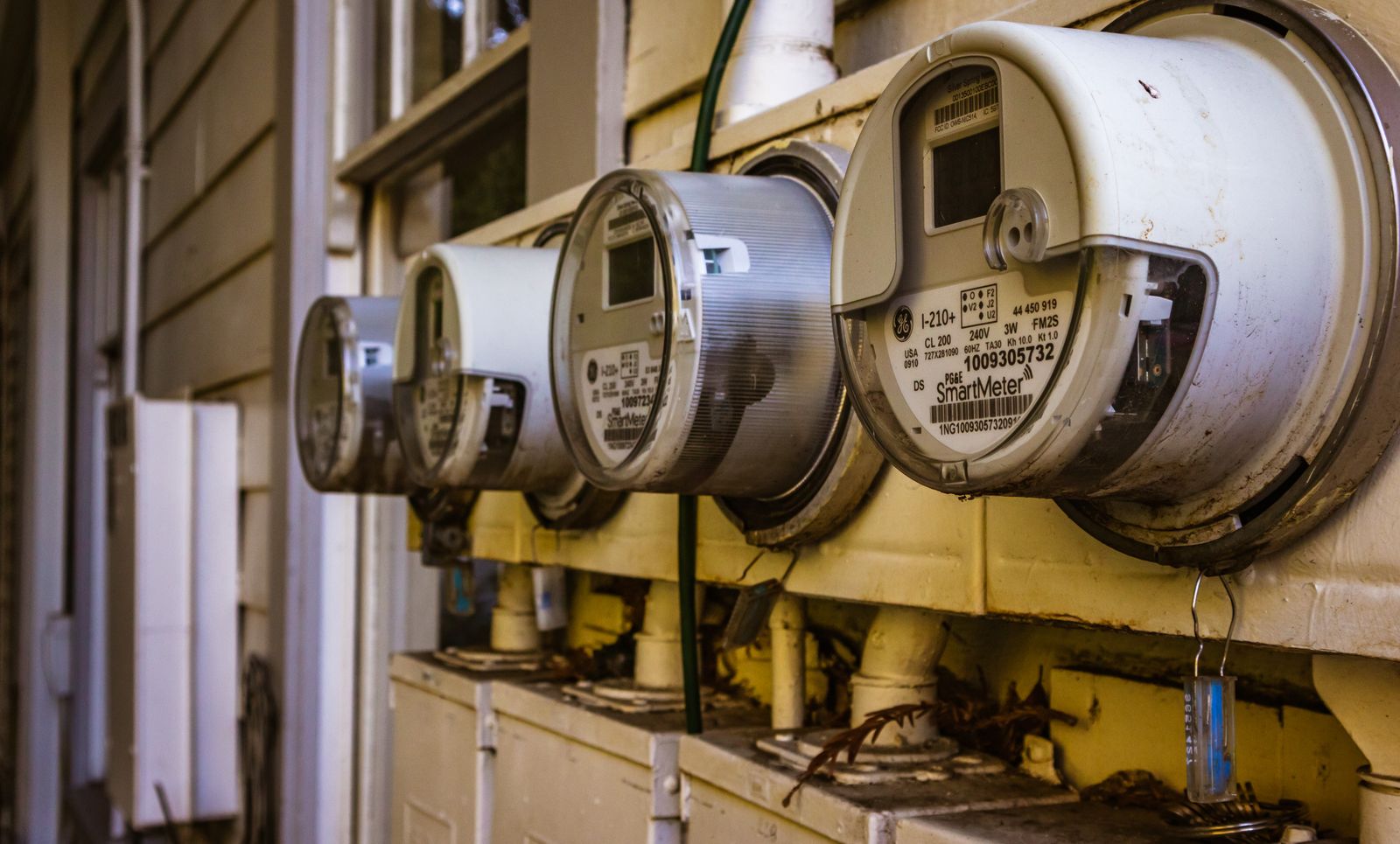
Victorian homes almost all have smart meters, which record usage in 30-minute intervals. Your retailer’s app or portal, or your distributor’s website, will usually let you download this data. Looking at a typical weekday will show you when you actually use power, which is what matters when choosing between flat and time-of-use.
Comparing plans
The Victorian Government’s Victorian Energy Compare site lets you upload your meter data and compare plans based on how you actually use electricity, rather than an average household. It’s independent and doesn’t take commissions.
Also check the Victorian Default Offer reference price on any plan you’re offered. Retailers must show how their prices compare with it, which gives you a quick benchmark.
A few habits that help on time-of-use
- Run the dishwasher and washing machine on a delay timer so they finish in the off-peak or solar window.
- Put the heat pump hot water system on a daytime timer if you have solar.
- Pre-heat or pre-cool the house a little before the peak period starts, then coast.
- Charge an EV during the cheapest window, not as soon as you get home.
If you’re weighing up a battery to avoid peak rates, our guide on sizing a home battery shows how to use the same meter data to work out whether it pays.
Figures and rules in this guide were checked in November 2026. Rebates change often, so confirm current amounts on the official sites linked above.